
Modern Volvos are no longer simple mechanical machines. By 2026, they are rolling networks of sensors, control modules, software logic, and safety systems that constantly talk to each other. When something goes wrong, the vehicle often knows before the driver does—but understanding what it is saying requires more than a warning light and guesswork.
Learn why professional Volvo diagnostics are now essential—not optional—how they work, what they uncover beyond basic scans, and how accurate diagnosis saves time, money, and long-term reliability.
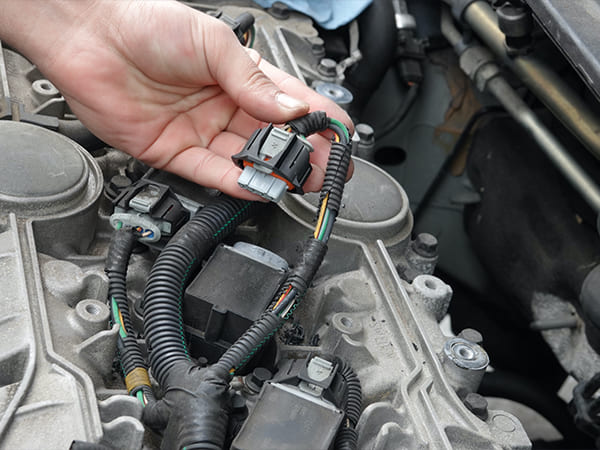
What Are Professional Volvo Diagnostics?
TL;DR: Professional Volvo diagnostics identify the real cause of a problem by reading vehicle data, system behavior, and fault logic—not just error codes.
Professional diagnostics go far beyond plugging in a scanner and reading a code. They involve:
- Manufacturer-level diagnostic tools
- Live data analysis
- System communication checks
- Software interpretation
- Component testing under real conditions
The goal is not to find a problem, but to find the problem.
Why Are Volvo Vehicles Harder to Diagnose Today?
Volvos use layered systems. A single issue can trigger multiple warnings across unrelated components.
For example:
- A weak battery can cause brake, steering, and safety alerts
- A failing sensor can affect fuel economy, transmission behavior, and traction control
- Software conflicts can mimic mechanical failure
Without proper diagnostics, it is easy to fix symptoms while missing the root cause.
What Happens When Diagnostics Are Skipped?
Skipping proper diagnostics often leads to:
- Replacing parts that are not bad
- Repeat repairs for the same issue
- New problems created by incorrect assumptions
- Higher long-term repair costs
In many cases, the most expensive repair is the one done without understanding the system first.
Why Generic Code Scans Are Not Enough
A common myth is that any scan tool provides the same information. That is no longer true.
Generic scanners usually:
- Read limited fault codes
- Miss manufacturer-specific data
- Cannot access deeper safety or communication systems
- Do not show live system behavior
Volvo diagnostics require tools that understand how Volvo software interprets faults—not just what code appears.
How Do Professional Diagnostics Save Money?
It may seem counterintuitive, but paying for diagnostics often reduces total repair cost.
Accurate diagnostics:
- Prevent unnecessary part replacement
- Reduce labor time spent chasing symptoms
- Identify early failures before they become major repairs
- Avoid repeat visits for the same issue
Fixing the right problem once is always cheaper than fixing the wrong one twice. Diagnostics eliminate guesswork and help repairs stay targeted and efficient.
Why Diagnostics Matter for Volvo Safety Systems
Volvo vehicles are built around safety logic. Systems like:
- Collision avoidance
- Lane assistance
- Emergency braking
- Stability control
These systems rely on precise sensor input and software coordination. When something is off—even slightly—performance can degrade without obvious symptoms.
Professional diagnostics verify not just whether a system works, but whether it works correctly.
What Problems Can Diagnostics Catch Early?
Professional diagnostics often identify:
- Battery degradation before failure
- Sensor drift before warning lights appear
- Software mismatches after repairs
- Intermittent electrical faults
- Communication issues between control modules
Early detection allows planned repairs instead of emergency breakdowns. This reduces stress, repair costs, and the risk of being stranded unexpectedly.
A Common Myth: “The Warning Light Tells Me Everything”
Warning lights are alerts, not explanations.
They tell you something is wrong—not what, why, or how serious it is. Multiple problems can trigger the same light, and one problem can trigger several lights.
Diagnostics translate those warnings into actionable information.
Case Study: Solving a Persistent Volvo Warning Issue
A Volvo owner in Salt Lake City experienced repeated warning messages related to braking and stability control. Previous repairs had replaced multiple components without lasting success.
Professional diagnostics revealed a voltage drop issue caused by an aging battery and software adaptation error—not failed brake components.
Once corrected, all warnings disappeared, and the vehicle returned to normal operation without further part replacement.
The solution was not more parts—it was better information.
How Utah Driving Conditions Increase Diagnostic Importance
Utah driving presents unique challenges:
- Cold winters strain batteries and electronics
- Elevation changes stress drivetrains and cooling systems
- Road salt accelerates corrosion in electrical connections
These conditions can cause intermittent faults that only appear under certain circumstances. Professional diagnostics are essential for catching problems that do not happen consistently.
Why Software Updates and Calibrations Matter
Many Volvo systems require calibration after repairs or battery replacement. Without it:
- Sensors may give inaccurate readings
- Driver-assist features may behave unpredictably
- Fault codes may return even after repairs
Diagnostics ensure systems are properly reset, calibrated, and synchronized. This step is essential for maintaining safety features, performance, and system reliability.
How Diagnostics Support Long-Term Volvo Ownership
For owners planning to keep their Volvo long term, diagnostics provide:
- Better maintenance planning
- Fewer unexpected failures
- Improved resale value
- Confidence in vehicle safety and reliability
Diagnostics are not just about fixing problems—they are about managing the vehicle’s health over time.
When Should Volvo Owners Request Diagnostics?
Professional diagnostics are recommended when:
- Warning lights appear
- Electrical or performance behavior changes
- After battery replacement
- Before major repairs
- When buying or selling a used Volvo
Waiting until a failure occurs often limits options and increases cost. Early diagnostics help catch small issues before they turn into complex, expensive repairs.
Get Answers Before Replacing Parts
Modern Volvos deserve precise diagnosis, not guesswork. Jerry Lambert Automotive uses professional Volvo diagnostics to identify issues accurately and help owners make informed repair decisions. Call or book an appointment online to have your Volvo evaluated with clarity and confidence.
Frequently Asked Questions
Are professional diagnostics really necessary for Volvos?
Yes. Volvo systems are complex and require manufacturer-level data to diagnose correctly.
Can diagnostics prevent future breakdowns?
Yes. Early detection often prevents small issues from becoming major failures.
Do diagnostics always mean expensive repairs?
No. Many diagnostic findings involve minor adjustments or early maintenance.
How long does a diagnostic process take?
It varies, but thorough diagnostics focus on accuracy, not speed. Most evaluations are completed within one to two hours, depending on system complexity and symptoms.
Should diagnostics be done before replacing parts?
Always. Replacing parts without diagnosis increases the risk of unnecessary repairs.
